Automatic 6-Month Tax Extension: Why Some Taxpayers Use It
Many people think a tax extension is only for those who are late or unorganized. In reality, a 6‑month extension is a normal and very common part of the U.S. tax system. It is often the most professional choice when key documents are missing or complicated issues are involved.
What Is the Automatic 6-Month Extension?
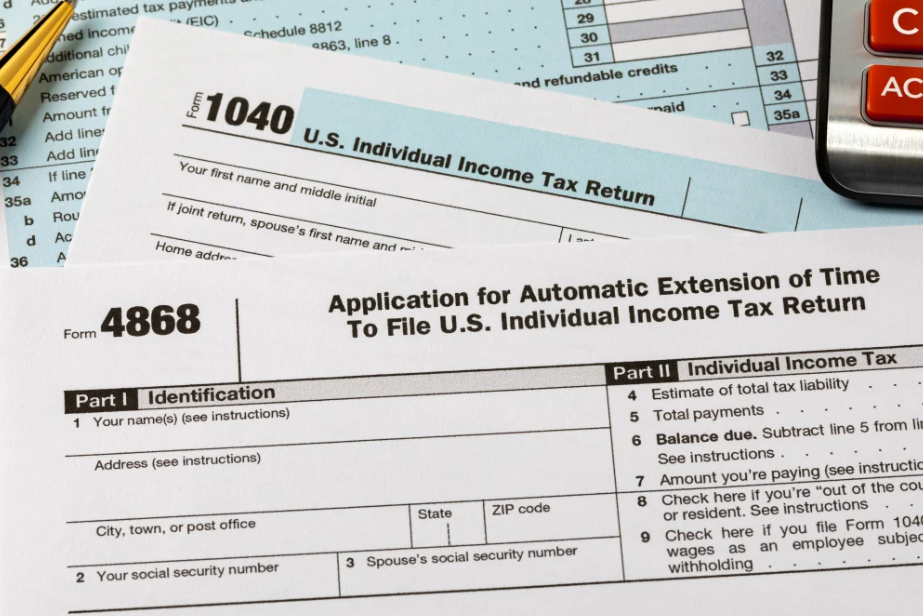
The IRS allows most individual taxpayers to request an automatic 6‑month extension by filing Form 4868.
“Automatic” means:
- You do not need to explain a reason.
- You do not need separate IRS approval.
- You simply file the extension on or before the original due date (usually April 15).
This extends the time to file your federal return, generally until October 15. It does not extend the time to pay, so you should still estimate and pay any expected tax by the April deadline to avoid interest and penalties.
Why Do People File an Extension?
Most taxpayers who extend are not procrastinating; they are waiting for accurate information. Common situations include:
- Partnership or S‑corporation income (Schedule K‑1).
- Complex investment activity.
- Family members or dependents who need ITIN.
- Foreign income or foreign tax credit.
- Complicated deductions such as childcare, education, or business expenses.
Filing early with missing or incorrect information often leads to:
- Amended returns.
- IRS notices and extra correspondence.
- Missed deductions or underreported income.
An extension gives you breathing room to file once everything is correct.
Real-Life Examples: When an Extension Makes Sense
1. Waiting for a Partnership Schedule K‑1
Mr. Kim owns a small share in a partnership or investment fund. He cannot accurately report that income until he receives Schedule K‑1.
Many partnerships issue K‑1s close to, or even after, April 15. If Mr. Kim files without the K‑1:
- His return may be incomplete.
- He may have to amend later.
- He could miss income or deductions.
By filing an extension, he can wait for the K‑1 and submit a correct, complete return once all information arrives.
2. Dependent Needs an ITIN
Mrs. Park, who is in the US with an E2 Visa, wants to claim her child (no social security number) as a dependent. To be claimed, the child must have the Individual Taxpayer Identification Number (ITIN).
ITIN applications require:
- Form W‑7.
- Passport verification or certified documents.
If Mrs. Park cannot complete Form W‑7 by April 15, filing an extension gives her additional time to submit Form W‑7 with her tax return so she can claim the $500 Credit for Other Dependents (ODC).
3. Foreign Accounts and Foreign Income Reporting
Taxpayers with foreign assets often have extra reporting, for example:
- FBAR (FinCEN Form 114).
- Form 8938 (Statement of Specified Foreign Financial Assets).
- Form 1116 (Foreign Tax Credit).
To complete these forms properly, they may need time to collect:
- Highest annual balance for each account.
- Proof of foreign tax paid.
- Currency conversion figures.
An extension provides time to prepare accurate foreign reporting and avoid serious compliance issues.
Don’t Forget About State Extensions
Many taxpayers assume that once they extend their federal return, their state return is automatically extended as well. That is not always true.
- Some states accept a federal extension automatically.
- Other states require a separate state extension form or payment voucher.
This matters especially if you:
- Moved to a new state during the year.
- Live in one state but work in another.
- Have income in multiple states.
Always check each state’s rules so your state filing deadlines are properly extended.
Final Thoughts: Extension as a Planning Tool
A tax extension is not a red flag and not a failure. It is often the correct and professional choice when:
- Important tax documents are missing or delayed.
- Your situation involves partnerships, foreign issues, or complex investments.
- You want to reduce the risk of errors and amended returns.
Used correctly, a 6‑month extension protects you. It gives you time to gather information, work with your tax advisor, and file a complete and accurate return—without rushing against the April deadline.
Note: This article is intended for informational purposes only and does not constitute tax advice. For personalized guidance, please consult a tax professional.