A Morning Coffee at Panera Bread: Lessons for Downtown Business Owners
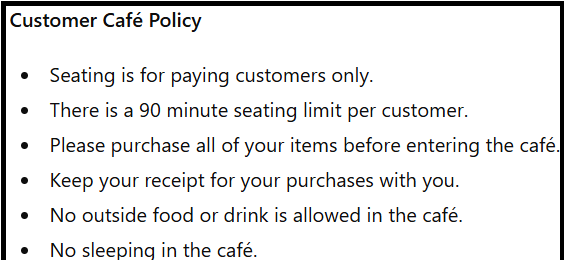
I came to Philadelphia for my two boys, who were attending a rave concert for two nights. I stopped by a Panera Bread near the hotel for coffee where I was staying, and I felt concerned about the number of homeless people there — including a woman combing her hair and cleaning herself in the dining area. As a CPA who helps business owners, I put myself in their shoes and reflected on this situation and how they might be expected to handle it.
Downtown business owners are not imagining this problem. It is daily, draining, and complicated. Customers want to feel safe and comfortable, but owners are operating in the middle of visible homelessness, mental illness, and addiction — issues far bigger than any one café or shop. The real question is not, “How do we get rid of homeless people?” but, “How do we keep our space safe and welcoming while acting legally and humanely?”
There is no easy solution. For many downtown businesses, this is simply part of doing business in an urban core today. There is no perfect policy, no single rule, and no one conversation that solves it for good. Even the best approaches will sometimes fail, feel uncomfortable, or seem unfair to someone. That is exactly why this cannot rest on business owners alone. Local government must be involved — providing outreach teams, shelter capacity, mental health and addiction services, clear guidance, and real enforcement support — so small businesses are not left to manage a major social crisis at their front doors.
What follows are not “solutions” that make the problem disappear, but realistic ways owners can protect their space, their staff, and their customers while doing their best in an imperfect situation.
Story 1: The Panera Bread Morning — and What Should Have Happened
That morning at Panera Bread in downtown Philadelphia, the dining room was full of professionals, students, and families eating breakfast. At one table, a woman who appeared homeless sat with a small drink and a worn bag. She took out a comb and began brushing her hair at the table, trying to make herself look neat.
Hair began to fall onto the table and floor. Nearby customers shifted uncomfortably; one parent nudged their child’s plate farther away. Staff noticed but kept moving — wiping other tables, calling out orders, and carefully avoiding that corner. The result was silent tension: customers felt the space was unsanitary, staff felt stuck, and the woman quietly continued brushing.
What a prepared owner or manager could do differently:
- Post a clear rule:
“No grooming, bathing, or changing clothes in the dining area. Please use restrooms for brief personal care.” - Train managers to approach respectfully:
“Ma’am, we’re glad you’re here today. We do need to keep this area sanitary for everyone eating, so grooming like hair brushing has to be done in the restroom. Could you please finish in there or stop for now?” - If she complies, staff discreetly sanitize the table and area and log the incident.
- If she refuses, the manager calmly repeats the request and, as a last step, asks her to leave for the day, documenting that the issue is behavior, not housing status.
This approach protects sanitation and customer comfort while still treating the person with dignity.
Story 2: The Doorway Sleeper and the “Pee Corner”
One of the most common complaints from downtown owners is not just what happens inside, but what happens right outside the door. Imagine a small restaurant preparing to open for lunch. Each morning, someone is sleeping in the recessed doorway. Some days, there is urine in the corner. Staff must hose down and scrub the entrance before service. Customers wrinkle their noses, and some begin avoiding the place altogether.
Owners often fall into three unhelpful extremes:
- Ignore it and hope it goes away.
- Call 911 frequently, frustrating police and alarming customers.
- Confront people angrily, escalating risk and liability.
More realistic solutions that downtown businesses actually use:
Physical and design changes
- Reduce hidden alcoves with planters, bike racks, or benches.
- Improve lighting and visibility at entrances.
- Use routine washing or timed sprinklers during non-business hours as part of regular cleaning — not in a way that targets or harasses specific individuals, which could create reputational or legal risks.
Clear rules and consistent enforcement
- Post: “No camping, sleeping, or blocking entrances. Private property.”
- Train staff so only managers handle requests to move.
- Document repeat incidents and, if needed, work with police or security for formal trespass — focusing on safety and access, not status.
This mix of design, rules, and outreach doesn’t eliminate homelessness, but it can significantly reduce doorway problems in a realistic way.
Story 3: Panhandlers on the Outdoor Patio
Consider a restaurant with popular outdoor seating. When the weather is nice, panhandlers rotate through, asking diners for money or food. Some are polite; others become annoyed if refused. Guests feel pressured, and reviews begin mentioning “constant begging at the tables.”
How seasoned owners handle this:
Clarify where authority stops
- On public sidewalks, peaceful panhandling is often protected on public sidewalks, subject to local ordinances.
- On private patios or inside the restaurant, owners can prohibit solicitation.
Post a “no solicitation” policy
- “For the comfort of our guests, no solicitation or panhandling is allowed on this patio or inside the restaurant.”
Train staff
- “I’m sorry, but you can’t solicit our guests here. I need to ask you to leave this seating area now.”
Use a tiered response
- Calm request.
- Manager intervention.
- Call non-emergency police or security if the person becomes aggressive or refuses to leave.
Coordinate with neighbors
A shared approach — similar signage and language — creates consistent expectations along the block.
Story 4: When Compassion Backfires — and How to Recalibrate
Some owners start generously: free food, water, restroom access for anyone. Over time, word spreads. More people come, some linger, and the business begins to feel overwhelmed. Pulling back later becomes emotionally and practically difficult.
A more sustainable path:
Keep compassion, but add structure
- Support shelters or food programs through donations rather than ad-hoc charity.
- Post: “We support [local program]. Please consider donating or volunteering.”
Set firm boundaries
- “Restrooms are for paying customers only.”
- “We can’t provide free meals or cash, but there are services nearby that can help.”
This keeps the business humane without turning it into an unmanaged social service hub.
A Realistic Playbook for Your Team
Based on these stories, a practical system looks like this:
Write and post behavior-based rules
- No camping or blocking entrances.
- No grooming or bathing in dining areas.
- Seating for guests actively eating or drinking.
- No solicitation on private property.
Train staff with scripts and role-play
Use real scenarios so staff are not improvising under stress.
Design and security upgrades
Better lighting, fewer blind spots, thoughtful placement of fixtures, and cameras at entrances and patios.
Build outreach relationships
In every downtown area, identify and connect with local homeless outreach teams, shelters, mental health and addiction service providers, business improvement districts, and city agencies. Know who to call when someone needs help, so your response goes beyond enforcement and toward real support.
Document incidents
Record date, time, behavior, rule cited, response, and any calls made. This protects against claims of discrimination and reveals patterns over time.
Downtown owners are not just serving coffee, meals, or merchandise — they are managing a small piece of their city’s social reality every day. Thoughtful policies, realistic design choices, and strong partnerships can help keep spaces safe and welcoming, without losing either humanity or sanity. Still, there is no easy or perfect solution for business owners navigating these challenges.
Note: This article is intended for informational purposes only and does not constitute tax advice. For personalized guidance, please consult a tax professional.